Who we help
Animals and families we serve across Alabama
We focus on three groups: companion dogs and cats facing medical crises or housing disruption, overburdened municipal shelters that need faster transport, and low-income rural families who may be forced to give up a pet during an unexpected emergency.
The reality of shelter intake
Underfunded pounds need dedicated transition resources
Many municipal pounds in rural Alabama operate with limited staff, space, and funding. When intake outpaces capacity, animals can wait in conditions that put their health at risk. Dedicated transition resources give those animals a path out of crowded facilities and into care.
Our work centers on rapid decompression and coordinated transport, so shelters can make room and animals can reach the support they need sooner.
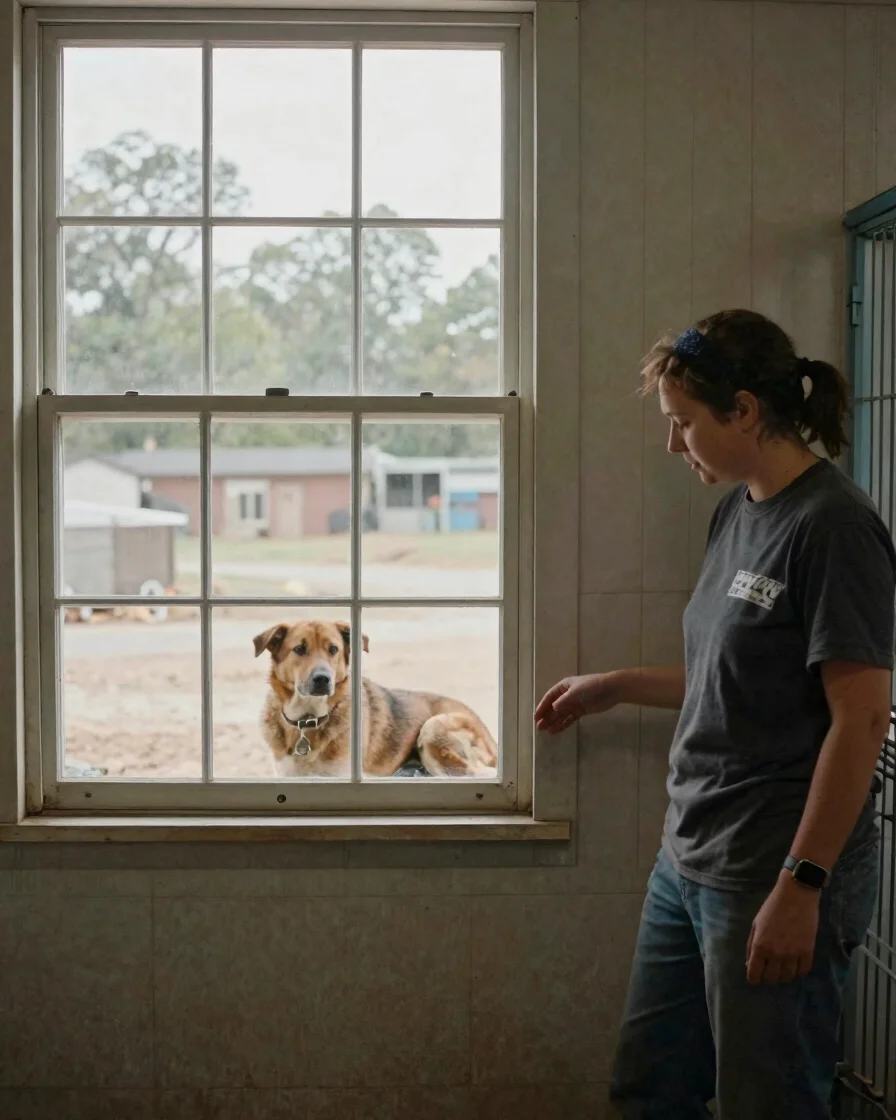
Three groups
Who receives support
Each group faces different barriers, and each is part of the work we coordinate across the state.
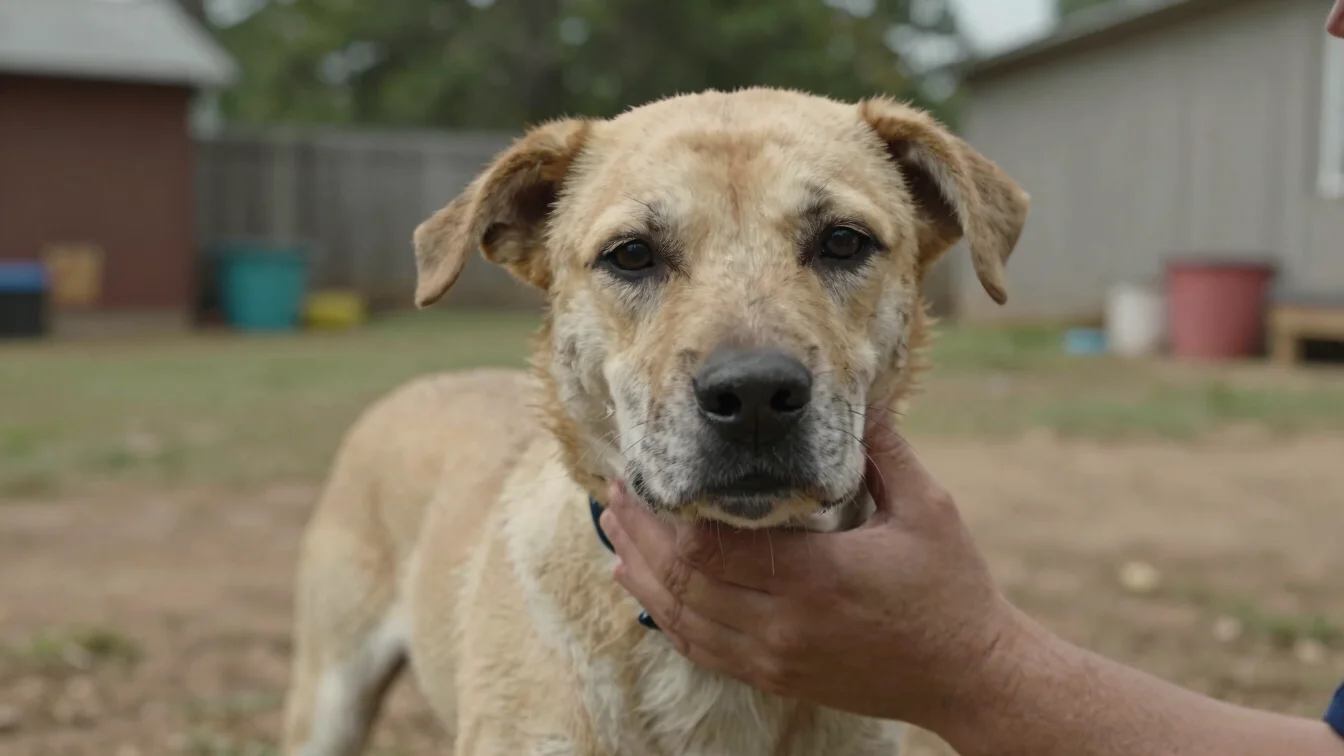
Companion animals
Companion dogs and cats
Pets in underserved rural counties who face urgent medical needs or sudden housing disruption.
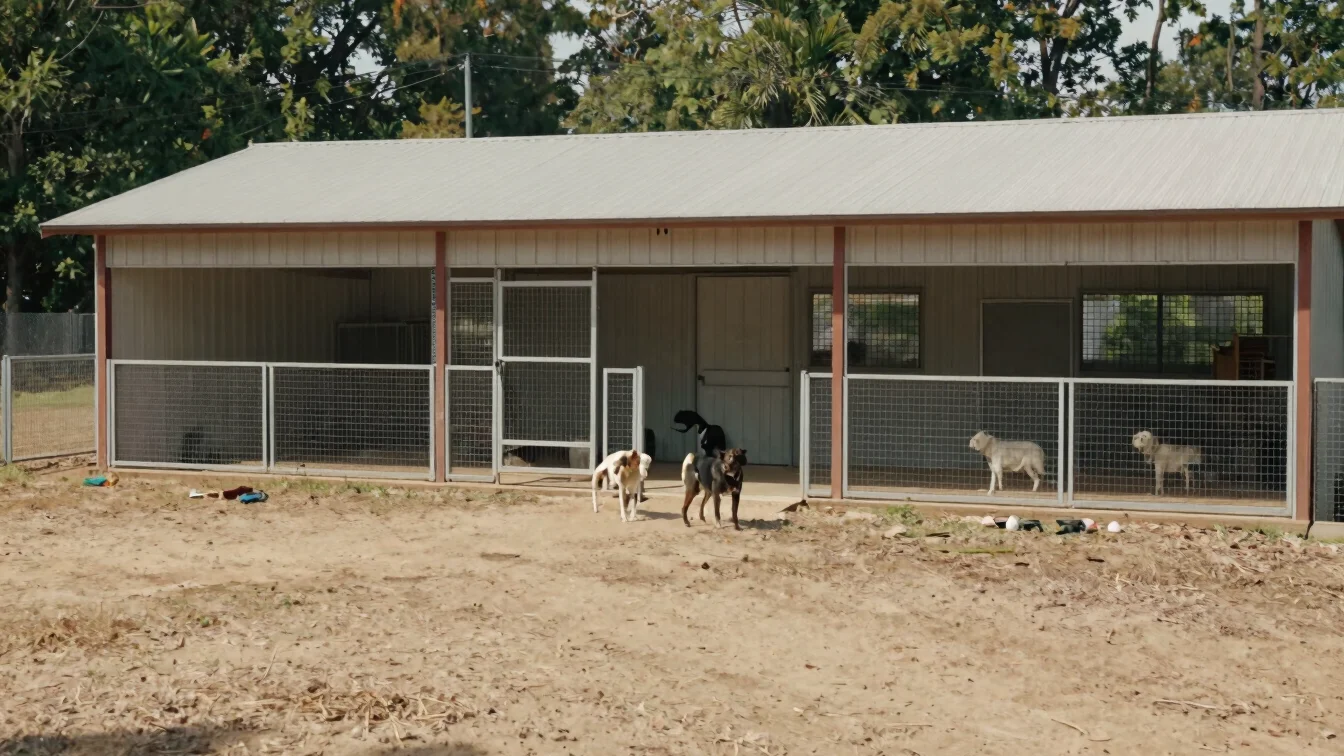
Shelter populations
Municipal shelter animals
Animals in overcapacity municipal shelters that need rapid decompression and transport out of high-kill facilities.
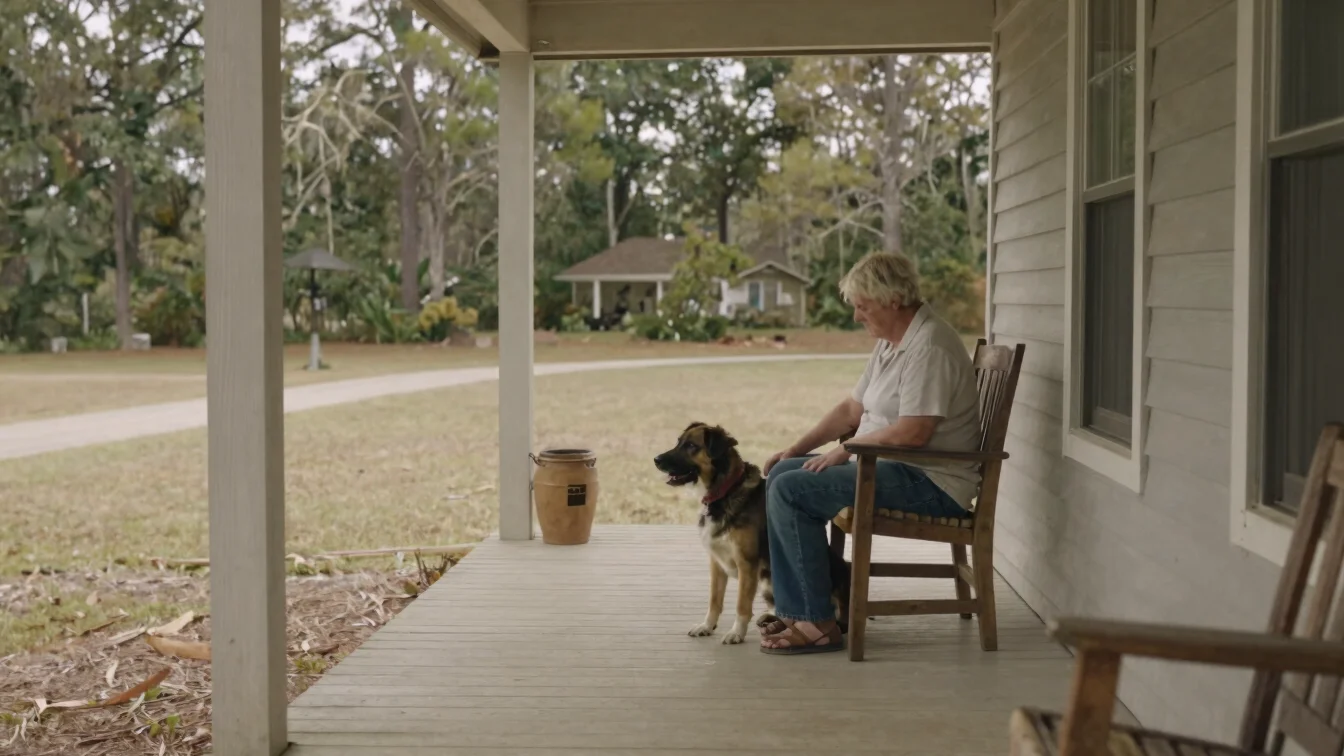
Families
Low-income rural families
Alabama households facing unexpected medical emergencies that put their ability to keep a pet at risk.